How Social Media Shapes Your Mind Without You Noticing
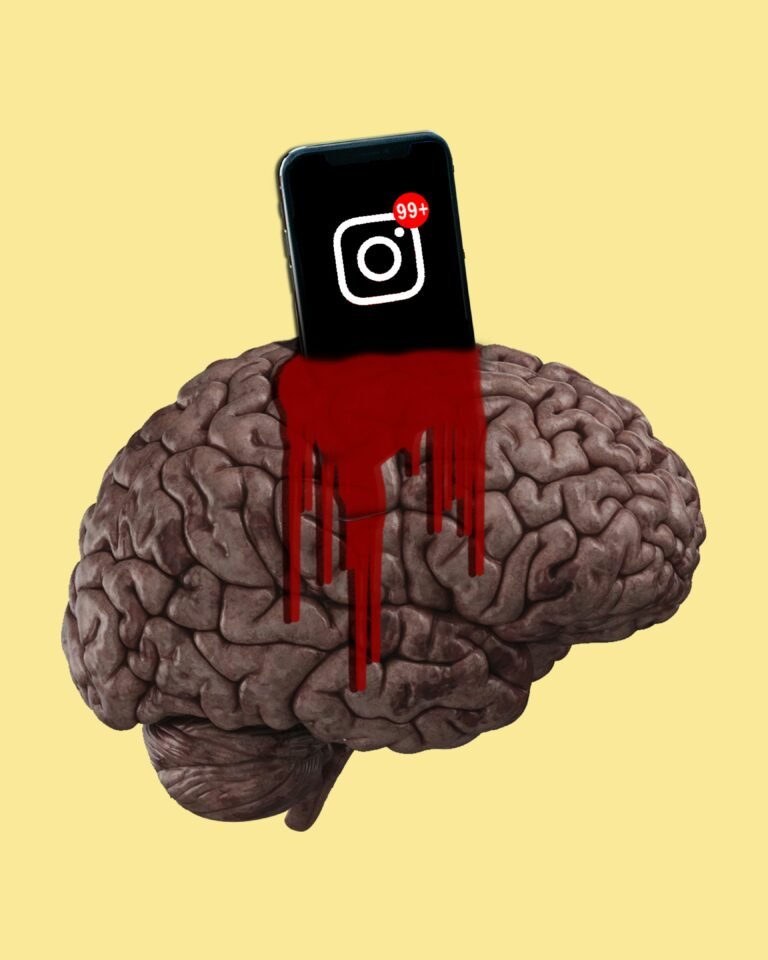
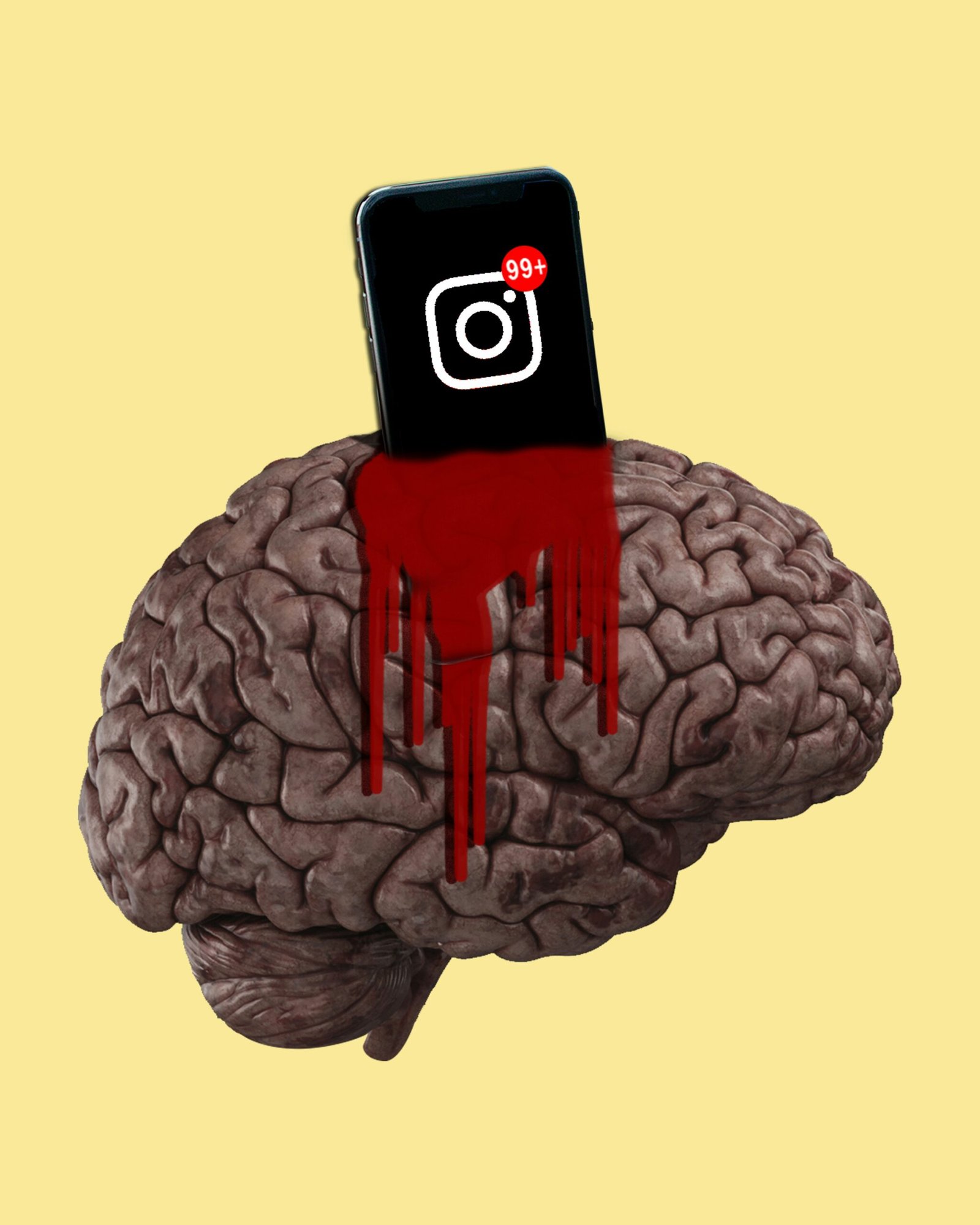
Social media dramatically and subliminally influences your mind and changes the way you think, feel, and experience reality, without your awareness. Understanding these hidden influences can help you grasp command over your mental landscape and lead you to use your digital consumption mindfully more often.
In an ever-more connected world, billions of people will spend hours a day flipping through social media platforms without awareness that these experiences are rewiring their brains in a deliberate, systemic manner, just by interacting with social media. Research in the scientific community shows that social media influences much more than just entertainment and safety; there are measurable changes to attention span, emotional management, self-image, and decision-making.
How Social Media Implicitly Influences the Brain
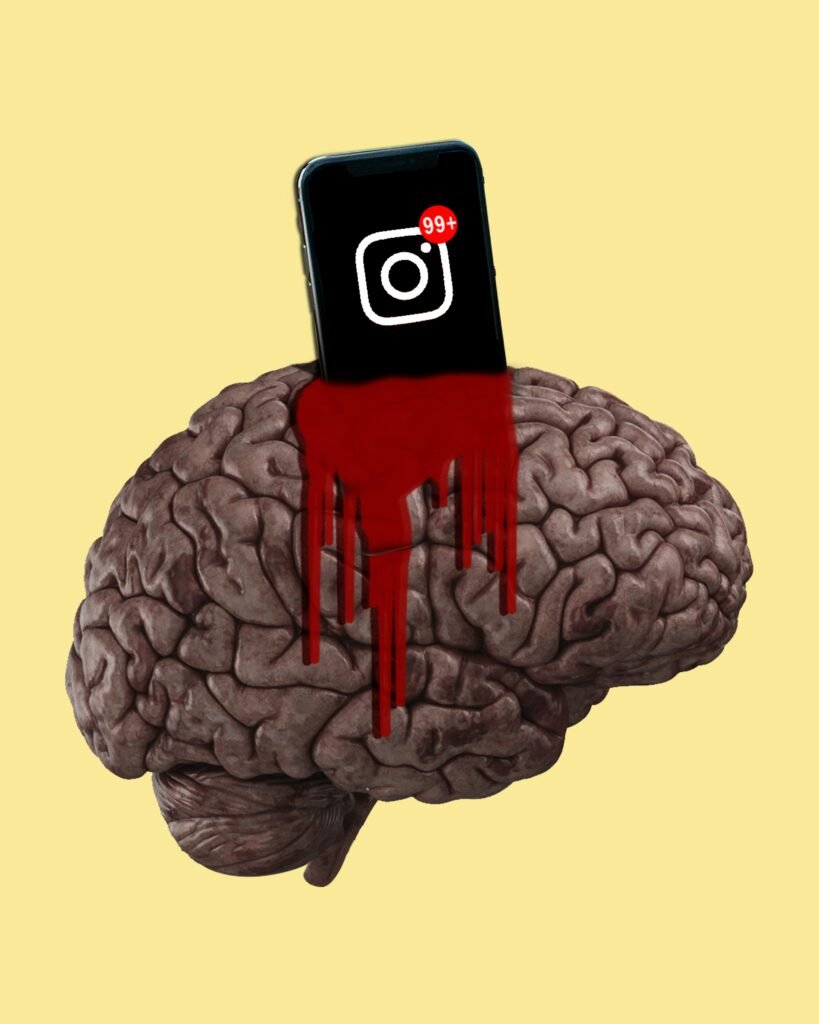
Social media platforms are built on algorithms that actively capture your attention and are designed to engage specific neurological responses to keep you engaged. These digital engagement environments de facto create behavioral interaction patterns that will begin to change neural pathways due to participation or repetition, and reinforcement.
Modern neuroscience research has shown that social media ‘likes’ activate reward systems in the brain nearly the same as gambling behaviors and substance use. When you receive likes, comments, or shares, those behaviors are rewarded by your brain when it releases dopamine, the same neurotransmitter related to feelings of pleasure or motivation.
Because of its hidden nature, this influence is particularly effective. Everyone believes that they are intentionally managing their social media use while remaining blissfully unaware of how the apps they use have been designed to structurally encode and alter their thinking, feelings, and behavior using carefully crafted psychological principles.
The Science of Social Media and Brain Structure Changes
Neuroscience research shows that habitual social media use leads to observable structural and functional changes in the brain. Brain imaging studies have shown different patterns of activity in brain systems that regulate attention, emotional processing, and self-referential thinking.
Research published in Nature Communications shows similar neural circuitry associated with behavioral addiction as a function of frequent, compulsive checking of social media. Brain scan data have observed that notification triggers anticipatory responses in the nucleus accumbens, which is the brain’s primary reward center.
Attention span studies have demonstrated staggering declines associated with social media use. Research suggests that the average attention span has decreased from 12 seconds in 2000 to 8 seconds in 2023, usually attributed to consistent digital stimulation and sequential multi-task switching between platforms.
Social Media Algorithms Are Designed to Manipulate You
Social media algorithms are invisible curators of your reality because they curate the information you’re allowed to see, mostly based on how you interact with things:
1. Prioritizing Content – Algorithms display posts crafted to provoke emotional responses and prolong engagement
2. Echo chambers – Your feed reaffirms prior beliefs while eliminating contradicting beliefs
3. Attention Hijacking – Infinite scrolling and autoplaying videos leverage cognitive weaknesses
4. Personalization – Platforms curate your own extended reality based on your behavioral patterns
Impact on attention and focus
The impact on attention and focus
Social media alters your capacity for sustained attention and deep focus through consistent interruption and stimulation. This interruption results in enduring change in the brain in the way it processes information.
Continuous Partial Attention becomes the normative attention for regular social media users. This is when individuals constantly attend to multiple channels of information, yet have never fully attended to one task or thought.
These partial attentions can decrease one’s full attentional capacity as your brain slowly shifts into a rapid content switching mode, in a way that memory and attention researchers have found that those heavy social media users perform much worse on tasks that require prolonged attention or effortful problem solving.
Addiction to notifications generates a compulsive need to check phones and, in turn, interrupts sustained work and prolonged activities. Studies show that on average, you check your phone 96 times a day, and most of that time occurs during social media use.
Task-switching costs accrue each time you switch between media and other activities.
Alterations in Information Assimilation
Social media alters how your brain ingests and evaluates information:
- Superficial processing – Scrolling promotes passive thinking rather than active thinking
- Confirmation bias – Algorithms reinforce existing beliefs by showing agreeable content
- Reduced critical thinking – Quick consumption discourages critical evaluation
- Memory interference – Constant information updates harm the consolidation of high-value memories
Emotional Regulation and Mental Health Impacts
Social media has a significant impact on emotional well-being and mental health through various interconnected mechanisms that operate effectively unconsciously.
Comparison culture is elevated as you continuously consume curated highlights from others’ lives. Studies show higher rates of depression, anxiety, and low self-esteem linked to increased social media use, with young people being most vulnerable.
FOMO, “Fear of Missing Out,” becomes pervasive as you are confronted with content about experiences you aren’t experiencing. Studies show that chronic anxiety about missing opportunities to socialize can decrease life satisfaction and increase stress.
Validation seeking occurs as likes and comments become major sources of self-esteem. The dependency on external sources of confidence creates emotional volatility, reliant upon behavior that is unpredictable and outside of your control.
Mood alteration results from the application of algorithms engineered to produce emotional responses as a result of content selection. Social media companies will present content that elicits emotional responses because increased emotional engagement increases scrolling time.

The Social Comparison Trap
Social media heightens natural tendencies of comparison in ways that can be detrimental to our well-being:
Upward comparison – Seeing other people’s successes can diminish your life satisfaction.
Curated reality – People post selectively polished versions of their lives that increase unrealistic perceptions of what is “normal.”
Self-objectification – The focus on presentation and appearance without a focus on authenticity can impact one’s ability to express their true selves effectively.
Achievement pressure – Seeing the successes of other people in your network highlights the kinds of accomplishments we think we should be achieving, and can result in feeling unhappy when we inevitably do not achieve the same.
Identity Formation and Self-Perception Changes
Social media shapes how you form and know your identity through the constant feedback loops of social validation.
Your performative identity is formulated when you produce an online version of yourself that is optimized for social engagement. Often, this optimized performance departs from the authentic self as you feel disconnection and confusion about your identity.
External validation is a dependency when you become invested in social media data as currency for self-worth. Research supports the correlation of external validation with higher levels of anxiety, depression, and unstable self-regard.
Your filtered self is when you start to believe the edited version of yourself that you present on social media. Studies have shown that viewing edited or filtered versions of ourselves can increase body image dissatisfaction and distort our self-perception.
The social pressure to create performances of life that appear consistent online can be a source of stress and can result in individuals becoming less authentic. Many adults have shared that they feel a sense of obligation to take a picture of an experience rather than simply enjoying the experience, which then impacts authenticity.
The Social Comparison Trap
Social media heightens natural tendencies of comparison in ways that can be detrimental to our well-being:
- Upward comparison – Seeing other people’s successes can diminish your life satisfaction.
- Curated reality – People post selectively polished versions of their lives that increase unrealistic perceptions of what is “normal.”
- Self-objectification – The focus on presentation and appearance without a focus on authenticity can impact one’s ability to express their true selves effectively.
- Achievement pressure – Seeing the successes of other people in your network highlights the kinds of accomplishments we think we should be achieving, and can result in feeling unhappy when we inevitably do not achieve the same.
Identity Formation and Self-Perception Changes
Social media shapes how you form and know your identity through the constant feedback loops of social validation.
Your performative identity is formulated when you produce an online version of yourself that is optimized for social engagement. Often, this optimized performance departs from the authentic self as you feel disconnection and confusion about your identity.
External validation is a dependency when you become invested in social media data as currency for self-worth. Research supports the correlation of external validation with higher levels of anxiety, depression, and unstable self-regard.
Your filtered self is when you start to believe the edited version of yourself that you present on social media. Studies have shown that viewing edited or filtered versions of ourselves can increase body image dissatisfaction and distort our self-perception.
The social pressure to create performances of life that appear consistent online can be a source of stress and can result in individuals becoming less authentic. Many adults have shared that they feel a sense of obligation to take a picture of an experience rather than simply enjoying the experience, which then impacts authenticity.
The Hidden Costs of the Attention Economy
Your attention has become a commodity that platforms sell:
- Time displacement – Hours of scrolling replace activities that foster true well-being.
- Reduced presence – Continuous documentation prohibits participants from fully engaging in actual experiences.
- Quality of relationships – Phubbing, “phone snubbing,” harms in-person relationships.
- Opportunity costs – Social media time could be spent on developing skills or engaging in meaningful activity.
Decision-Making and Behavior Change
Social media persuades your decisions and behaviors, usually subliminally, by exposing you to the repeated targeted content and social proof (e.g., Likes) mechanisms.
Consumer behavior is now altered as targeted advertising uses psychological deficiencies: Platforms utilize your data and create social media to predict your purchasing decisions to a remarkable degree.
Political positions shift when you are only exposed to one perspective and emotionally charged content by algorithms. Research shows that social media strongly correlates with both political polarization and voting behavior.
Social conformity increases by observing and internalizing the norms of groups of peers presented on your feed. Studies indicate consumer behavior changes as social media increases bandwagon behavior and groupthink.
Habitual behavior occurs when intermittent reinforcement schedules make social media use extremely “sticky.” Reward seekers might contextualize notifications not with a steady reward schedule but with an unpredictable one, thus creating behavior that is stronger than even the use of known reinforcers.
Neurological Adaptation Patterns
Your brain is physically changing to accommodate social media:
- Reward sensitivity diminishes – We no longer receive satisfaction from basic pleasures in life
- Impulse control decreases – Our expectations of instant gratification transfer to other areas of our lives
- Delayed gratification is more difficult – We can’t wait for long-term goals – we want them completed now
- Novelty seeking increases – The threshold for boredom is significantly decreased
Practical Strategies to Preserve Your Mind
To gain back mental autonomy, you need intentional strategies to counter the hidden influence of social media.
A digital detox period gives your brain an opportunity to reset from consistent stimulation. Research has shown that even short breaks from social media positively improve mood, focus, and satisfaction within one’s life.
Notification regulations lessen the chances of compulsively checking an app by eliminating the notifications that disrupt your focus. Turn off every notification that is non-essential to your life to lessen the behavior of checking your phone automatically.
Set time limits to manage your social media use. Studies have shown that limiting social media use to 30 minutes a day significantly improves mental health indicators.
Mindful consumption is to engage in a purposeful awareness of social media consumption and how it impacts your mood and thinking. Notice how the content is stimulating emotional aspects of your existence and whether you want to continue.
Engaging in other tasks fills the time when you may have used to mindlessly scroll. Replace social media with an activity that will positively enhance your mental well-being, such as exercise, reading, or face-to-face socializing.
Establishing Improved Digital Habits
Structured methods can help you remain mindful and intentional:
- Set specific times – Use social media deliberately instead of reflexively
- Physical barriers – Avoid taking devices into your bedroom and eliminate social media apps from your phone
- Accountability partners – Share your goals with someone to provide external encouragement
- Time log – Track your usage with an app to compare your actual consumption to your prior estimates
The Long-Term Returns of Reducing Social Media Use
When people significantly reduce their time on social media, they experience several improvements in mental health and overall well-being.
Focus returns as your brain readjusts to maintaining attention. Many individuals report a significant increase in productivity after they reduce their time spent on social media.
Mood stability develops when self-worth is no longer reliant upon feedback from others. Studies have shown that spending less time on social media is usually associated with decreased anxiety and depression.
Sleep improves when scrolling time in the evening stops disrupting circadian rhythms. Research shows spending time on social media before bed is associated with insomnia symptoms and other sleep disturbances.
Relationships strengthen when the focus returns to in-person interactions. Real-world interactions provide benefits that our minds appreciate more than digital interactions offer.
Overall, life satisfaction increases when individuals focus on their core values rather than what algorithms determine. Many individuals report feeling more authentic and fulfilled when they minimize their dependence on social media.

Conclusion: Reasserting Your Mental Autonomy
Your mind is shaped in many ways possible—some even unintentional style— by social media. We are aware of the invisible influences that social media has on our minds (Aurelian & Dori, 2023). This awareness creates opportunities for purposeful connection and intentional use of social media. A knowledgeable outlook slices through the manipulations and gives a feeling of mental autonomy.
In scientific terms, social media has been shown to create quantifiable alterations in brain mass and structural relationships. Whether that is through attention, emotional regulation in conjunction with engagement in social media, or rationality, etc. Power is retained through the acknowledgment and actively putting into place mechanisms to reclaim mental autonomy.
Although some parts of social media can give us real opportunities for connection or information, once you aim to use it mindfully, you can be in better control of your use, which is necessary as the platforms and their design are geared towards maximizing engagement wherever you are on the well-being continuum. In a digital world, there is a level of self-care when we are in charge of our own use.
Just remember that every moment spent scrolling is a moment spent creating a particular version of the person that you want to be. And every moment also influences your brain and, therefore, your life. Cognizance of the hidden social features aids our mental reclamation of power over our attention and related thoughts, and perhaps our lives.

Rabby Mahmud is a mental wellness and personal development writer who focuses on helping readers understand their thoughts, build clarity, and develop healthier emotional habits. His research-backed insights and practical guidance support mindful living, emotional balance, and long-term well-being.